
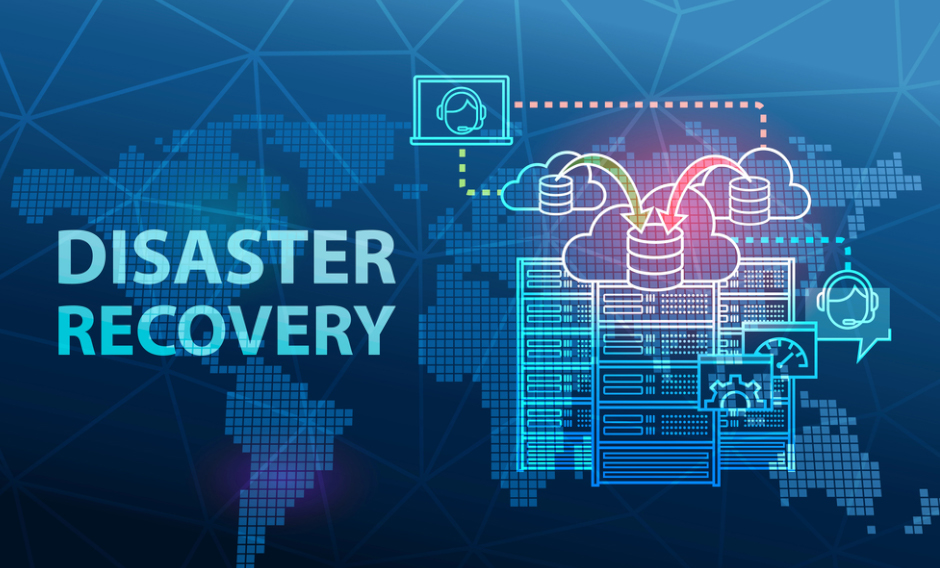
Every business, regardless of size or industry, faces the risk of data loss or IT system failure. An IT disaster recovery plan is crucial to minimizing downtime and getting your business back on track quickly. In the event of a disaster, such as a cyberattack, natural disaster, or hardware failure, having a solid disaster recovery IT plan in place ensures your business can continue operating without losing valuable data or incurring significant downtime.
In this post, we’ll walk you through the basics of an IT disaster recovery plan, why it’s important, and how managed backup and disaster recovery solutions can help safeguard your business.
What Is an IT Disaster Recovery Plan?
An IT disaster recovery plan is a set of strategies and procedures that a business follows to recover its critical IT systems, data, and operations in the event of an unexpected disruption. This plan outlines the steps to take during and after a disaster to minimize data loss and restore business functionality as quickly as possible.
A well-designed disaster recovery IT plan ensures that your business can resume normal operations with minimal impact on your customers, employees, and reputation. It typically includes procedures for backing up data, securing network infrastructure, and restoring critical services, all while maintaining business continuity during the recovery process.
Why Your Business Needs an IT Disaster Recovery Plan
Without a disaster recovery IT plan, your business could be at significant risk. The consequences of not having a plan in place can be severe and can include extended downtime, data loss, and legal or compliance risks. Extended downtime means that your business could be unable to operate for hours, days, or even weeks, leading to lost revenue, decreased customer satisfaction, and a damaged reputation.
If critical data, such as customer information, financial records, and intellectual property, is lost, it can be catastrophic for your business, especially if you operate in a regulated industry or handle sensitive information. Moreover, many businesses are required to comply with data protection laws, and failing to protect customer data or recover it quickly after a disaster can result in legal consequences and hefty fines.
An IT disaster recovery plan helps mitigate these risks by ensuring that your business can recover quickly and efficiently. Having a solid plan in place means your business can continue to operate smoothly despite unexpected disruptions, reducing the impact of downtime, data loss, and legal complications.
Disaster Recovery Testing: Why It’s Important
Regular testing is a vital component of any IT disaster recovery plan. It involves simulating a disaster scenario to ensure that your recovery plan works as expected when needed most. Testing your plan at least once a year, or whenever significant changes are made to your IT infrastructure, ensures that it remains effective.
The primary reason for testing your disaster recovery plan is to identify weaknesses. If gaps or areas for improvement are found during testing, you can address them before a real disaster occurs. Additionally, testing allows you to confirm that your recovery time objectives (RTO) are realistic and achievable.
By performing disaster recovery testing, you can be sure that your plan is not only thorough but also feasible. Lastly, testing is crucial for training your team. Familiarizing your team with the recovery process ensures that everyone knows their roles and responsibilities, making the actual recovery much smoother and faster when a disaster does strike.
Key Components of an IT Disaster Recovery Plan
An IT disaster recovery plan consists of several critical components that work together to safeguard your business against potential disruptions. These components typically include:
- Risk Assessment: Identifying potential threats and vulnerabilities that could disrupt your business operations, such as cyberattacks, hardware failures, or natural disasters.
- Backup Strategies: Creating regular backups of important data and IT systems to ensure they can be restored quickly in the event of an incident. This includes cloud-based backups, off-site storage, and automated backup solutions.
- Recovery Time Objectives (RTO): Determining how quickly you need to restore your IT systems after a disaster. This helps guide your recovery efforts and sets expectations for how long the business can afford to be down.
- Disaster Recovery Procedures: Developing step-by-step procedures for responding to a disaster, including who is responsible for each task, how to communicate with stakeholders, and how to restore systems and data.
- Testing and Updates: Regularly testing your disaster recovery plan to ensure it works as expected and making updates as needed to address new threats or changes in your business environment.
At Metis Technology, we offer disaster recovery/business continuity solutions that help businesses plan and execute their disaster recovery strategies with confidence. Our managed backup and disaster recovery services ensure that your data is always safe, and your systems are ready to recover if something goes wrong.
Is your business prepared for the unexpected? Contact us via call at (615) 356‑0066 or fill out our contact form to get started on securing your business today.